
Most people seek effective solutions for keeping pesky bugs at bay, and understanding the differences between UV and LED bug zappers can help you make an informed choice. Each type utilizes distinct technologies to attract and eliminate insects, making your outdoor space more enjoyable. In this post, you’ll discover the strengths and weaknesses of both UV and LED bug zappers, enabling you to select the best option for your specific needs and preferences. Let’s examine the details, so you can enhance your pest control strategy.

The Mechanics of Attraction: How UV and LED Zappers Work
Bug zappers leverage specific light wavelengths to attract insects, making them an effective tool against pests. UV zappers emit ultraviolet light that mimics the natural spectrum produced by the sun, drawing in insects like moths and mosquitoes. LED zappers, on the other hand, use light-emitting diodes, which can be engineered to emit specific wavelengths optimal for attracting bugs, yet tend to be more energy-efficient and longer-lasting.
The Science of Light and Insect Behavior
Insects are generally attracted to specific wavelengths of light, particularly those in the UV range. Research shows that many flying pests possess visual receptors that are highly sensitive to UV light, making them more likely to gravitate towards sources that emit it. This behavior is crucial in the design of zappers, whether UV or LED, as the effectiveness relies heavily on how closely the light produced mimics what insects naturally seek.
The Role of Electric Grids in Bug Zapping
Once insects are lured to your zapper, electric grids ensure they don’t escape. These grids generate a high-voltage charge that delivers a quick and effective zap on contact. Most bug zappers employ a system of wires that stretch across the device, creating a barrier that flying insects cannot pass without getting zapped. This design is not just for show; it significantly contributes to the overall effectiveness of the zapping system.
The electric grid operates at a voltage level typically between 1,000 to 3,000 volts, providing sufficient power to neutralize a variety of insects instantly. The rapid zap minimizes the chances of insects escaping once they approach the zapper and enhances the overall efficiency. Depending on the zapper’s construction and design, some may even come equipped with safety features to prevent accidental shocks to pets or humans, ensuring a balance between effectiveness and safety in your outdoor environment.
The Efficacy Showdown: Which Zapper Wins the War on Bugs?
Regarding effectiveness, both UV and LED zapper technologies bring something valuable to the table. However, discerning which performs better against unwanted pests can greatly influence your choice for outdoor or indoor spaces. Each system has its own merits and draw specific insects in varying capacities, so weighing their efficacy can help you make an informed decision that meets your bug-catching needs.
Comparing Kill Rates of UV vs. LED Zappers
| Technology | Average Kill Rate |
|---|---|
| UV Zappers | 700-1000 bugs/week |
| LED Zappers | 300-500 bugs/week |
Environmental Impact and Safety Considerations
Environmental factors can influence your choice of zapper, especially regarding safety and ecological considerations. UV zappers utilize harmful UV light that can disrupt local ecosystems and affect beneficial insects, while LED zappers tend to have a more negligible environmental impact, primarily drawing in mosquitoes and other pests without attracting as many pollinators.
Selecting an eco-friendlier option often leads you to consider LED zappers, as they minimize unintended harm to beneficial insects. With reduced heat emission and energy consumption, LED models provide a sustainable alternative while remaining effective. On the other hand, many UV zappers can pose risks to certain non-target species, which is necessary information if you’re concerned about protecting all insects in your environment. Thus, your choice could contribute to a healthier ecosystem overall.
Cost and Maintenance: The Hidden Expense of Bug Zappers
Investing in either UV or LED bug zappers involves more than just the sticker price. Hidden costs and maintenance requirements play a significant role in determining their long-term value. An effective bug zapper not only needs an upfront investment but also demands a commitment to upkeep, which can affect your overall budget. Analyzing both initial and recurring costs will help you make a more informed decision for your pest control needs.
Initial Investment and Long-Term Cost Analysis
When you consider the initial purchase price, LED bug zappers generally have a lower entry cost compared to their UV counterparts. Prices for LED models can start as low as $30, while UV ones can range from $50 to $100 or more, depending on features. However, with LED zappers having a longer lifespan and lower energy consumption, long-term savings on electricity bills and replacements should factor into your final assessment.
Maintenance Needs and Lifespan of Devices
Both types of devices require some level of maintenance to ensure optimal performance. LED bug zappers can last several years without needing bulb replacements, whereas UV models may require annual replacements of their light tubes. This difference impacts both the lifespan and the ongoing maintenance costs, making LED models more economical in the long run.
In terms of upkeep, cleaning your bug zapper regularly is crucial for both types. A dirty grid can reduce efficacy, leading to higher energy consumption and attract fewer insects. Typically, you should clean your zapper every few weeks, but if you live in a heavily infested area, this could increase to weekly maintenance. Additionally, over time, UV bulbs lose their effectiveness and need replacing every 9-12 months. Combining these maintenance needs with their lifespan and initial costs allows for a clearer picture of your investment returns over time. Ultimately, assessing both the price for purchase and the commitment to maintenance will help you choose the best zapper for your specific situation.
User Experience and Aesthetic Appeal: More Than Just Functionality
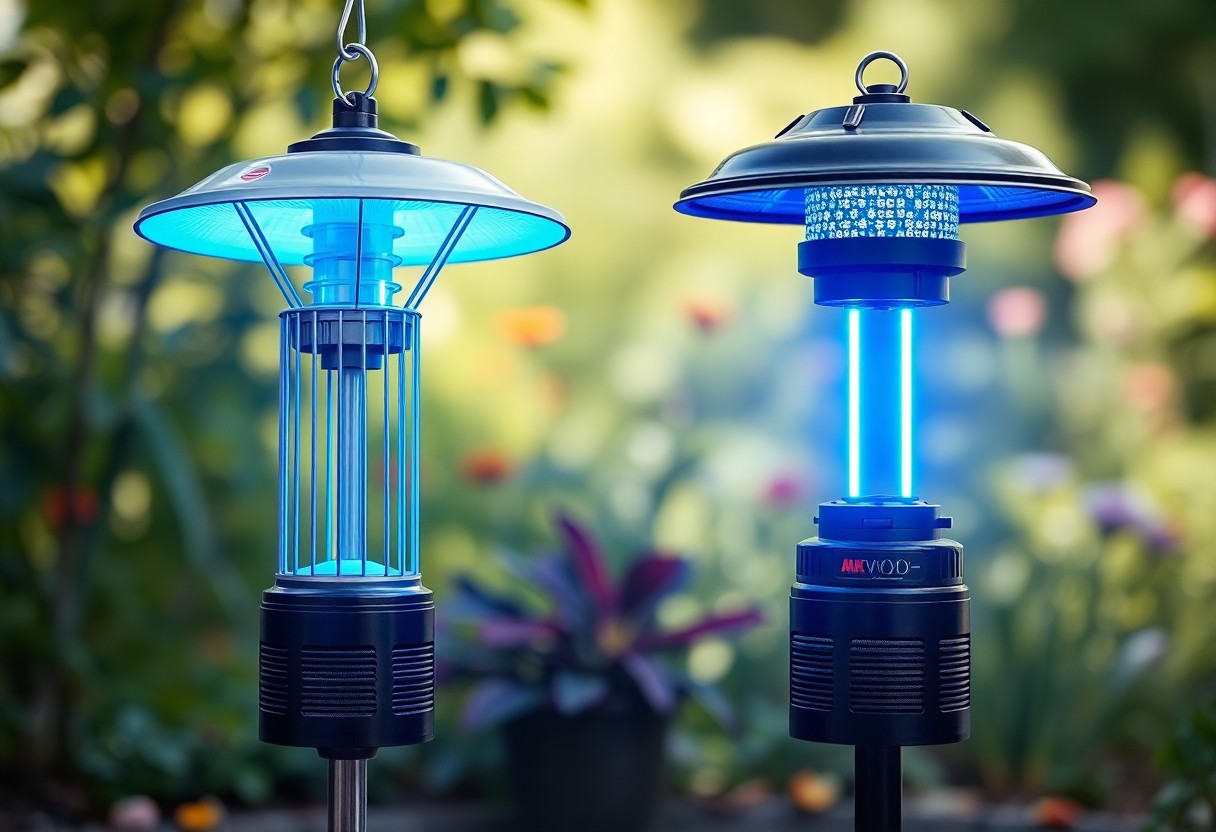
Your choice between a UV and LED bug zapper can affect more than just bug control; it also influences your space’s aesthetics. Sleek, modern designs are available, ensuring these devices blend seamlessly into your outdoor decor. The materials and colors you select can also enhance the overall ambiance of your patio or garden. A zapper that complements your style doesn’t just serve a purpose; it enhances your outdoor experience, creating a more enjoyable environment for family gatherings or nighttime relaxation.
Noise Levels and Operational Disruption
The sound emitted by bug zappers can vary, potentially detracting from your outdoor enjoyment. UV models often create a soft buzzing, while some LED units may introduce a more noticeable zap upon catching insects. If serenity is your priority, consider how each type’s noise level will harmonize with your outdoor setting, especially during social gatherings or quiet evenings.
Design and Placement Considerations for Optimal Use
Optimal placement is important to maximize the effectiveness of bug zappers. Hang your device at least five feet off the ground, as many flying insects are attracted to heights. Additionally, avoid placing it too close to seating areas or outside lights, as this may inadvertently draw insects away from the zapper and towards your guests. Evaluating the layout of your space allows for strategic positioning that enhances both safety and style.
Beyond just height and distance, consider the type of environment where you’ll place the zapper. In open spaces, a greater distance from structures will lure bugs into the zapper’s radius, while a sheltered area may diminish its efficacy. Additionally, you can position multiple devices in larger outdoor areas to create a barrier against mosquito invasions. Balancing functionality with aesthetic appeal ensures your pest control solution serves its purpose while maintaining an inviting atmosphere.

The Future of Pest Control: Innovations on the Horizon
As technology continues to advance, the future of pest control is poised for exciting changes. Innovative solutions, such as DNA-based insect identification and artificial intelligence systems for pest detection, are expected to streamline pest management practices. Integrating these technologies into eco-friendly products ultimately enhances your ability to protect your home while reducing harmful chemical usage and environmental impact.
Emerging Technologies and Potential Game Changers
Developments like smart traps that use machine learning to analyze pest behavior and adapt strategies in real-time are on the rise. These game-changing technologies promise greater efficiency and increased effectiveness in managing insect populations, giving you a proactive edge in your pest control efforts.
Consumer Preferences and Market Trends
The shift towards environmentally friendly and non-toxic pest control solutions is gaining momentum. With increasing awareness of ecological impacts, consumers are prioritizing sustainable products designed to minimize harm to beneficial insects and ecosystems. Smart technology integration in pest control devices also appeals to tech-savvy households seeking convenience and efficiency.
The market is responding to this demand, with a noticeable decline in traditional chemical-based pesticides and an upsurge in organic and natural alternatives. Consumers are showing interest in devices that guarantee safety for pets and children, while seeking effectiveness. Your choices reflect a broader cultural shift towards healthier living and sustainability, highlighting the industry’s transition to cater to eco-conscious values without compromising on results.
To wrap up
On the whole, understanding the differences between UV and LED bug zappers can enhance your decision-making process when choosing a pest control solution. UV zappers tend to attract insects more effectively due to their warmer light spectrum, while LED zappers offer energy efficiency and longevity. By considering factors such as your specific pest problem, energy usage, and maintenance, you can select the right type that suits your needs and environment for optimal results in keeping pesky bugs at bay.
