
This guide provides you with imperative insights for safely setting up electric fly killers in your space. By following these straightforward steps, you can effectively manage fly populations while ensuring the safety of your family and pets. You’ll learn where to position the device for optimal results, how to maintain it, and important safety precautions to keep in mind. Get ready to reclaim your space from pesky flies with confidence and ease!
1. Choose a suitable, dry location away from moisture.
2. Ensure device is turned off before installation.
3. Mount at recommended height, typically 5-7 feet high.
4. Avoid placing near direct sunlight or heat sources.
5. Plug into grounded outlet to prevent electrical hazards.
6. Regularly clean and maintain for optimal performance.

Understanding Electric Fly Killers
To keep your space insect-free, it’s imperative to understand electric fly killers and their functions. These devices utilize electricity to trap and eliminate flying insects, providing a safe and hygienic solution to pest control. Operating in various settings such as homes, restaurants, and outdoor spaces, electric fly killers not only improve comfort but also enhance health standards by minimizing the presence of disease-carrying insects.
Types of Electric Fly Killers
To effectively combat flying pests, familiarize yourself with the various types of electric fly killers available:
- Zapper Units
- Glue Board Traps
- UV Light Traps
- Portable Electric Killers
- Commercial Electric Fly Killers
Assume that choosing the right type aligns with your specific needs and the environment where you intend to use them.
| Type | Usage Area |
|---|---|
| Zapper Units | Indoors and Outdoors |
| Glue Board Traps | Indoors |
| UV Light Traps | Indoors |
| Portable Electric Killers | Outdoors |
| Commercial Electric Fly Killers | Businesses and Large Areas |
How They Work
For electric fly killers, the operation relies on attracting insects using light and trapping them with an electric grid or adhesive. This combination allows for efficient extermination without the use of harmful chemicals, ensuring that environments remain safe for humans and pets alike.
Electric fly killers are designed to emit ultraviolet light that attracts flying insects. Once the insects approach the device, they encounter a charged grid that delivers a small electric shock, effectively neutralizing them. As the pests are drawn to the light, the system continuously operates, ensuring efficient and ongoing pest control in your designated area.
How to Choose the Right Electric Fly Killer
One of the most important decisions you’ll face when setting up an electric fly killer is selecting the right model for your needs. Different electric fly killers vary significantly in design, effectiveness, and area coverage. Consider your specific requirements, such as the size of the area you’ll be using it in, the type of insects you want to target, and any specific features you may need.
Factors to Consider
Little thought needs to go into imperative factors when evaluating electric fly killers. Look into the following:
- Area size: Determine the square footage you’ll be treating.
- Type of flies: Identify the species you’re targeting.
- Installation requirements: Choose between standalone and wall-mounted options.
- Light source: Consider UV light effectiveness and bulb longevity.
Assume that these factors play a significant role in your decision-making process.
Tips for Selecting
Choose the right electric fly killer by paying attention to specific features that enhance its effectiveness and ease of use. Evaluate the following:
- Safety features: Look for models with protective grills.
- Maintenance: Choose easy-to-clean collection trays.
- Energy efficiency: Consider models that offer lower energy consumption.
- Noise level: Opt for quieter models for indoor use.
Recognizing these elements will streamline your selection process.
Electric fly killers can vary widely in specifications and features, so having a clear idea of what you need helps. Investigate each product thoroughly by checking reviews and customer feedback. Additionally, consider the warranty and customer service options before making a purchase. Overall:
- Research brands: Select well-known manufacturers.
- Evaluate price vs. quality: Ensure you’re getting good value.
- Understand setup: Review installation instructions in advance.
- Prioritize safety: Make sure you understand operational guidelines.
Recognizing these tips will lead you to the best choice for your environment.
Setting Up Electric Fly Killers Safely
Unlike conventional pest control methods, setting up electric fly killers requires specific safety measures to minimize risks. Ensure you follow the manufacturer’s guidelines and maintain a safe distance from any flammable materials. Proper placement and adherence to safety protocols will not only maximize the device’s effectiveness but also protect you and your environment from potential hazards.
Location Considerations
An effective location for your electric fly killer is key to its performance. Position it where flies are most prevalent, avoiding areas close to human food or where children and pets frequently play. Ensuring proper distance from walls and obstructions promotes optimal efficiency while minimizing hazards.
Safety Tips During Installation
Installation involves several important safety steps. First, ensure the device is turned off before you start setting it up. Check that the electrical outlet is grounded, and always use the appropriate tools for installation. Keep the area clear of water and other liquids. To ensure safety, consider the following:
- Avoid overhead wiring to prevent accidents.
- Secure any loose cables to prevent tripping.
- Use the appropriate protective gear during installation.
Assume that precautionary measures will enhance your installation experience.
Electric fly killers can enhance your space’s hygiene when installed safely. As you proceed, verify that the mounting brackets are securely attached, and the device is stable to prevent it from falling. Ensure that the power source is capable of handling the device’s requirements. Also, follow local electrical regulations to ensure optimum safety. Here are some vital tips:
- Inspect the wire connections before plugging in.
- Make sure the device is at a level that prevents accidental contact.
- Double-check all equipment for damage before use.
Assume that thorough safety checks will mitigate risks associated with electric fly killers.
Best Practices for Maintenance
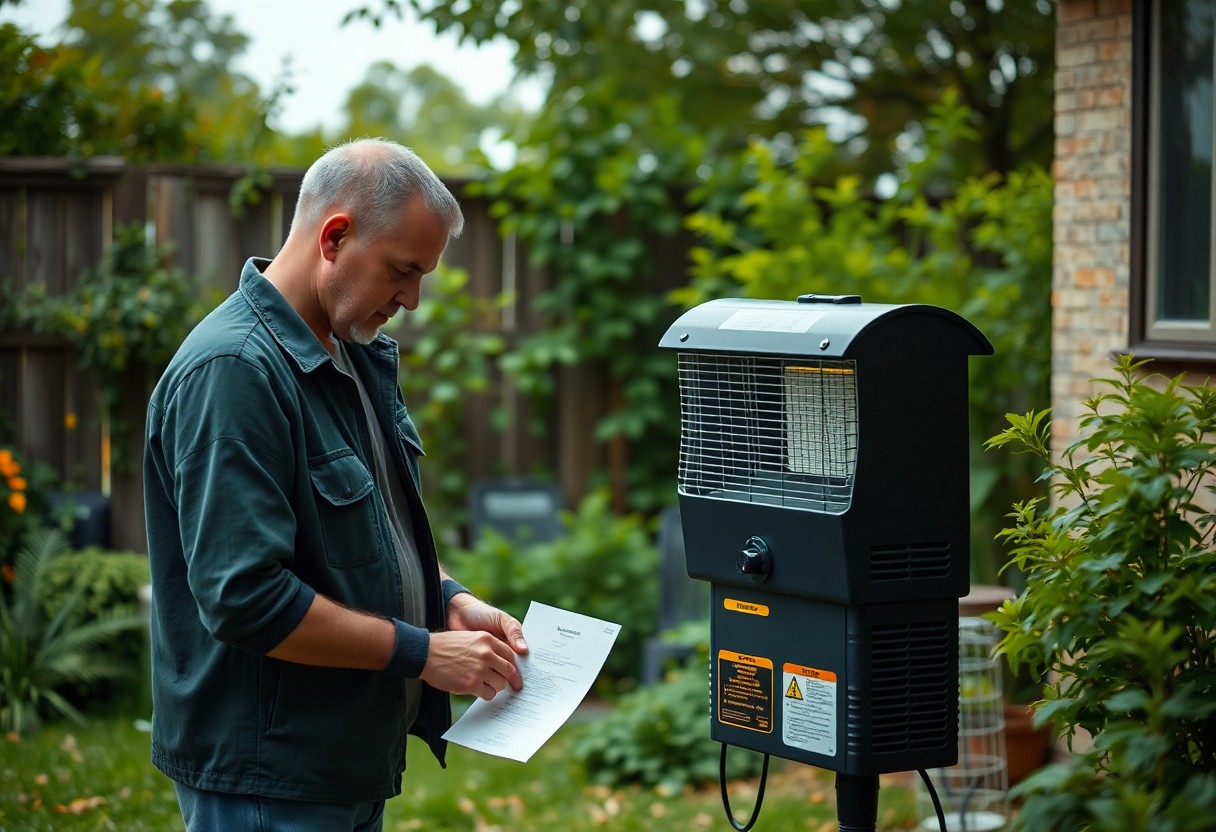
Once again, proper maintenance of your electric fly killer is vital to ensure its effectiveness and longevity. Establishing a routine for cleaning and inspection not only promotes efficiency but also safeguards your home from potential malfunction. By staying proactive, you can minimize the risk of attracting pests and maintain a safe environment for your family.
Regular Cleaning
Any buildup of debris or dead insects can hinder the performance of your electric fly killer. Make it a habit to clean the device regularly, removing any trapped insects and wiping down the surfaces to ensure optimal functionality. This will also help in maintaining a hygienic environment.
Inspecting for Damage
Regular inspections of your electric fly killer will help you identify any signs of damage or wear. Look for frayed wires, cracked casings, or malfunctioning components that could affect performance and safety. Timely repairs can extend the lifespan of your device.
Understanding the importance of inspecting your electric fly killer allows you to address potential issues before they escalate. Be vigilant for signs of overheating or unusual noises and ensure that all components, including the high-voltage grid, are intact. Taking these precautions will help you avoid malfunctions and ensure that your electric fly killer operates safely and efficiently for years to come.
Troubleshooting Common Issues
All electric fly killers may experience problems at some point. Understanding common issues will help you keep your device operating effectively. Regular maintenance, inspection, and knowledge about how to resolve minor challenges can extend the lifespan of your unit and ensure a fly-free environment.
When It Stops Working
Issues with your electric fly killer can arise when it suddenly stops functioning. First, check the power source and ensure it is plugged in correctly. Inspect the fuse or circuit breaker and replace any blown fuses. Additionally, cleaning the collection area may be necessary, as a buildup of debris can interfere with operation.
Addressing Safety Concerns
On occasion, safety concerns might arise with your electric fly killer. Ensure your device is positioned away from water sources and is securely mounted to prevent falls or damage. Always follow the manufacturer’s instructions for installation and usage, and inspect the wiring regularly for any signs of wear or fraying. Avoid touching the unit when it’s in operation to prevent electric shocks.
Stops are necessary for too many users when they realize that safety must be prioritized. If you’re using an electric fly killer outdoors, ensure it is waterproof to reduce the risk when exposed to rain or spray. Ensure children and pets remain at a safe distance from the device, especially when it’s in use. By taking these precautions, you can effectively minimize risks and ensure a safer environment while keeping pests at bay.
Tips for Maximizing Effectiveness
Your electric fly killer will perform best when strategically placed and maintained. Consider these tips:
- Position the unit away from doors and windows to draw flies in from other areas.
- Ensure it is at least 4–6 feet off the ground for optimal capture.
- Regularly clean the grid and collection tray to maintain efficiency.
- Consider using additional lures or attractants for increased efficacy.
Thou shalt ensure your fly killer is always in peak condition!
Attracting Flies Efficiently
Clearly, enhancing your electric fly killer’s appeal can significantly boost its attraction capabilities. Placing the device near light sources or areas where flies congregate, such as kitchens or garbage bins, will direct them towards it. Additionally, using UV light models can be particularly enticing for flies, drawing them towards the trap effectively and reducing their presence in your space.
Optimal Usage Strategies
One of the best ways to leverage your electric fly killer is to operate it consistently during peak fly activity hours, typically during warmer months or early evenings. This approach ensures you capture the maximum number of nuisance flies, maintaining a cleaner environment.
It is also beneficial to coordinate your electric fly killer’s placement with your cleaning routine. By eliminating potential food sources and breeding spots nearby, you enhance the unit’s effectiveness in reducing fly populations. Additionally, consider running your device during times when you’re less active in that area to improve success rates, ensuring that flies have fewer distractions and are more likely to become trapped. This strategy not only maximizes the electric kill rate but also creates a more convenient and fly-free living space.
Summing up
Now that you have the important insights for safely setting up electric fly killers, you can confidently take the necessary precautions to protect yourself and your environment. Ensure you select the appropriate location, maintain a safe distance from other objects, and adhere to the manufacturer’s guidelines. By doing so, you’ll effectively reduce pests while minimizing any risks associated with the equipment. Your proactive approach will create a safer and more comfortable space for yourself and others.
