
Just installing electric fly killers is not enough; you need to optimize their efficacy to truly reap the benefits in your space. Understanding the specific needs of your environment can help you position these devices effectively, ensuring maximum capture of those pesky flies. Utilizing insights from resources such as Energy-Efficient Electrical Fly Killers: Saving Power and … can guide you in choosing the right units and placement strategies. Let’s explore actionable tips that can enhance the performance of your electric fly killers in various settings.

Understanding Electric Fly Killers
A comprehensive grasp of electric fly killers will enhance your ability to utilize them effectively. These devices are designed to attract and eliminate flying insects, particularly flies, in various environments, ensuring a cleaner, more comfortable space. By understanding their types and mechanisms, you can optimize their use in exoteric settings.
Types of Electric Fly Killers
- UV Light Traps
- Sticky Board Traps
- Zap Traps
- Insect Reduction Systems
- Portable Electric Fly Killers
Assume that you are choosing the right type based on your specific environment and requirements.
| Type | Description |
|---|---|
| UV Light Traps | Utilize UV light to attract and electrocute flies. |
| Sticky Board Traps | Employ adhesive surfaces to catch flying insects. |
| Zap Traps | Use high-voltage grids to kill insects on contact. |
| Insect Reduction Systems | Combine multiple methods for enhanced efficiency. |
| Portable Electric Fly Killers | Designed for easy mobility and use in various settings. |
Mechanism of Action
About electric fly killers, they operate on principles that involve attraction and instantaneous extermination. Most models employ ultraviolet (UV) light, which lures flies to the device. Once close enough, they encounter an electrified grid or adhesive surface designed to trap or kill them swiftly.
Also, the effectiveness of these mechanisms depends on several factors, including proper placement, maintenance, and the environmental conditions, which can greatly influence how many insects are caught. Understanding how these devices function enables you to enhance their use and maximize their impact in your specific settings.
1. Position units away from direct sunlight for better attraction.
2. Regularly clean trays to enhance effectiveness and hygiene.
3. Use appropriate light spectrum for maximum insect attraction.
4. Maintain optimal placement height for targeted insect types.
5. Ensure no obstructions disrupt airflow around the device.
6. Implement complementary pest control strategies for best results.
Assessing Exoteric Settings
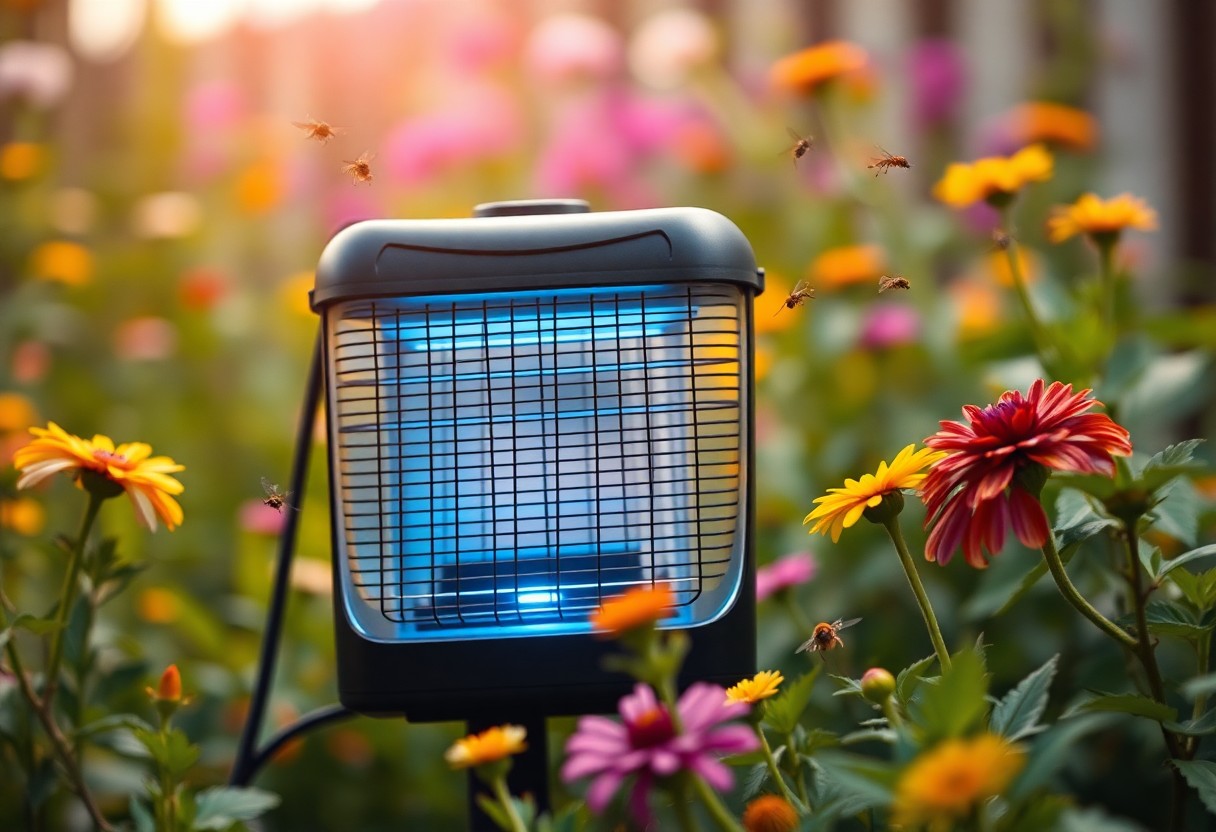
If you want to effectively use electric fly killers in exoteric environments, it’s important to assess the specific characteristics of the area. This includes understanding the layout, lighting, and potential sources of attraction for flies. Factors like foot traffic, landscape design, and the presence of other pests can all influence the efficiency of your electric fly killer, making this assessment a vital step in your optimization strategy.
Definition and Characteristics
To optimize fly control in exoteric settings, you should first define what these environments entail. Exoteric settings refer to outdoor or semi-outdoor spaces that are often exposed to the elements, such as patios, gardens, and outdoor dining areas. Understanding the characteristics of these areas will help you determine the best setup for your electric fly killer to maximize its effectiveness.
Common Challenges in Exoteric Environments
Among the many challenges faced in exoteric environments, environmental factors such as wind, rain, and varying temperatures can significantly affect the efficacy of electric fly killers. Additionally, the presence of other insects and wildlife can divert flies away from your devices, complicating pest control efforts.
But tackling these challenges requires a strategic approach. For instance, wind can disperse the scent trails that attract flies, reducing their likelihood of encountering your device. Weather conditions might require you to regularly check and maintain your electric fly killers to ensure they operate effectively. Furthermore, understanding the balance of the local ecosystem is key, as competing species may limit your fly killer’s success. Adapting your strategies based on these factors will enhance the performance of your electric fly solution in the long run.
Strategic Placement of Electric Fly Killers
Not every location is suitable for your electric fly killer; strategic placement is vital for maximizing its effectiveness. Placing units in areas with the highest fly activity will ensure that you reduce nuisance levels and maintain a more comfortable environment. Consider how surrounding factors, such as light and food sources, may attract flies to specific zones in your space.
Optimal Locations for Maximum Impact
Before you install your electric fly killer, assess the areas where flies tend to congregate. Flies are naturally attracted to food waste, moisture, and light. Placing your devices near waste disposal areas, entry points, and food prep zones ensures they capture the most flies, improving overall efficacy and maintaining a more sterile environment.
Height and Orientation Considerations
About the height and orientation of your electric fly killers, it’s imperative to optimize their positioning for maximum efficiency. Installing your devices at the proper height allows for effective baiting, as flies typically hover around 3 to 5 feet above the ground. Furthermore, orienting the devices towards light sources can enhance their attraction, ensuring they effectively reduce fly populations.
Strategic installation should take into account that flies often navigate towards light and are most active at eye level. Hang your electric fly killers 4 to 6 feet above the ground to capture their attention effectively. Additionally, ensure that the devices are oriented in alignment with natural light sources or other attractive factors in your setting. This thoughtful placement not only enhances their performance but ensures your environment remains as pest-free as possible.
Enhancing Attractiveness to Insects
Keep in mind that optimizing your electric fly killer’s attractiveness can significantly improve its efficacy. Position your device where insect activity is high, and ensure that the light emitted is visible from a distance. High visibility will draw insects in, increasing the chances they will be captured effectively.
Frequency and Intensity of Light Emission
The frequency and intensity of light emission play a vital role in attracting insects. You should choose devices that utilize blue and ultraviolet light, as these wavelengths are particularly effective in drawing various insects. Ensure the light source is bright enough to be noticed even in well-lit conditions.
Use of Lures and Bait
Among the most effective strategies to enhance the efficacy of your electric fly killer is the use of lures and bait. These substances can entice more insects to your device, thereby improving capture rates.
Even the best electric fly killer can benefit from the addition of lures and bait. You might consider using scents or attractants specifically designed for the types of insects you want to target. These lures can be placed strategically near your device to draw insects in, providing an irresistible invitation. When combined with effective lighting, this approach can lead to significantly higher capture rates, making your fly control efforts more successful in your setting.

Maintenance and Upkeep
All electric fly killers require consistent maintenance and upkeep to function effectively in exoteric settings. Regularly tending to these devices not only extends their lifespan but also enhances their ability to attract and eliminate flies. By implementing suitable maintenance practices, you ensure a healthier and more pest-free environment.
Regular Cleaning Protocols
About maintaining your electric fly killer, it is imperative to establish a routine cleaning schedule. Regularly removing debris and dead insects from the collection tray and surrounding areas can prevent odors and increase the device’s overall efficiency. Aim to clean your unit at least once a week for optimal performance.
Replacement of Parts and Bulbs
Parts of an electric fly killer, including bulbs, should be monitored for wear and be replaced as needed. Regular replacements ensure that the device operates at peak performance and continues to attract flies effectively. You should always keep an eye on the light intensity and overall condition of the components.
But it’s not just about replacing bulbs; the entire unit may require additional parts, such as grids and trays, to be swapped out if they become damaged or excessively dirty over time. Investing in high-quality replacement parts helps maintain the efficacy of your device, ensuring you achieve the best results in controlling your fly problem. Always consult the manufacturer’s guidelines to select compatible components for your electric fly killer.
Safety Considerations
After implementing electric fly killers in exoteric settings, it’s imperative to prioritize safety to ensure effective and responsible usage. Consider potential risks that could arise from electrical hazards, as well as the impact on non-target species and the surrounding environment. By adhering to established safety protocols, you can maximize the efficacy of electric fly killers while safeguarding individuals and wildlife within the vicinity.
Electrical Safety Guidelines
Any installation and operation of electric fly killers should follow strict electrical safety guidelines. Ensure the equipment is installed away from water sources, use properly rated circuit breakers, and make sure any electrical connections are secure and insulated. Perform regular maintenance checks, and ensure that the devices comply with local electrical codes to prevent hazards.
Minimizing Risks to Non-target Species
Safety considerations extend beyond human and electrical risks; you must also ensure that your electric fly killers do not negatively impact non-target species. Placing devices strategically can help in reducing accidental captures of beneficial insects or other wildlife.
Also, to further minimize risks to non-target species, consider using barriers or specially designed models that target specific pests. Additionally, place electric fly killers in locations away from flowering plants or habitats frequented by non-target insects. Monitoring the surroundings for any unintended catches can help you adjust placements or methods to enhance both effectiveness and ecological responsibility.
Conclusion
Conclusively, to optimize the efficacy of electric fly killers in exoteric settings, you should ensure proper placement, regular maintenance, and use of attractants that resonate with your environment. By strategically positioning your devices and maintaining cleanliness around them, you enhance their effectiveness. For additional insights, explore the Proven Methods to Maximize the Effectiveness of Fly Control Products. This comprehensive approach can significantly improve your fly control efforts.
